Please explain your current title and role at GRIP, and what this role entails.
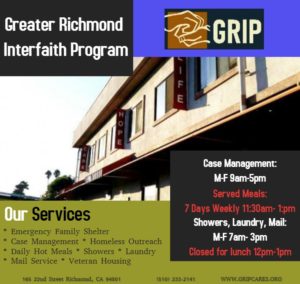
I currently serve as the at GRIP. In this role, I oversee multiple departments and programs, including case management, the family shelter, the soup kitchen, and the care center. My responsibilities include ensuring that individuals and families experiencing hardship receive compassionate support, access to essential resources, and coordinated services that promote stability and long-term success.
A key part of my role is helping provide a safe and nourishing environment for those who are unsheltered or in need. Through collaboration with staff, community partners, and support programs, I work to ensure that GRIP continues its mission of helping individuals and families move toward self-sufficiency and improved quality of life.
What drew you to this role? How do you see your personal values reflected in this role?
I was drawn to this role because I have always been passionate about serving individuals and families in need and creating meaningful change within the community. The opportunity to support people during some of the most difficult moments in their lives, while helping connect them to resources and stability, is deeply fulfilling to me. I wanted to be part of an organization that not only provides immediate support, but also empowers people to move toward long-term self-sufficiency.
My personal values strongly align with this work. I believe in compassion, dignity, equity, and community support for all individuals regardless of their circumstances. In my role, I strive to lead with empathy and ensure that every person who comes through our doors feels respected, heard, and supported. I also value collaboration and accountability, which are essential when overseeing programs such as case management, family shelter services, the soup kitchen, and the care center. This role allows me to live out those values every day by helping create a safe, supportive, and hopeful environment for those in need.
What is your favorite thing about serving in this role?
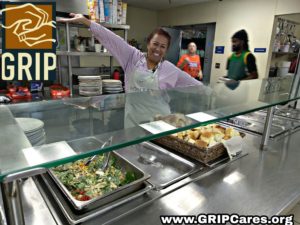
My favorite thing about serving in this role is being able to make a direct and meaningful impact in the lives of individuals and families in our community. It is incredibly rewarding to see people receive the support, resources, and encouragement they need to move from crisis toward stability and self-sufficiency. Whether it is helping a family secure safe shelter, connecting someone to critical services, or simply providing a warm meal and compassionate support, those moments remind me why this work is so important.
I also value the relationships built through this role — with the families we serve, the staff, volunteers, and community partners who all work together toward a common mission. Being part of a team that is committed to restoring hope and dignity to others is one of the most fulfilling aspects of my work.
What are some of the challenges that you face in this role?
One of the biggest challenges in this role is meeting the growing needs of the community with limited resources. Many individuals and families come to us facing complex challenges such as homelessness, food insecurity, unemployment, mental health concerns, or financial hardship, and the demand for services often exceeds the available funding, staffing, and housing resources.
Another challenge is balancing the oversight of multiple departments, including case management, the family shelter, the soup kitchen, and the care center, while ensuring that each program continues to operate effectively and compassionately. Every day brings new situations that require quick problem-solving, coordination, and adaptability.
At the same time, this work can be emotionally demanding because we regularly encounter people experiencing crisis and trauma. It is important to remain supportive and empathetic while also helping staff maintain balance and avoid burnout. Despite these challenges, the opportunity to help individuals and families move toward stability and self-sufficiency makes the work deeply meaningful and worthwhile.
What do you wish more of the Richmond community knew about working with unhoused folks?
I wish more of the Richmond community understood that people who are unhoused are individuals and families with unique stories, challenges, and strengths — not just their circumstances. Many are facing situations such as job loss, rising housing costs, medical issues, domestic violence, mental health struggles, or unexpected life crises that could affect anyone. Homelessness is often far more complex than people realize.
I also wish more people knew how important compassion, dignity, and human connection are when working with unhoused individuals. Simple acts of kindness, respect, and understanding can make a meaningful difference in someone’s life and help restore hope during difficult times.
Another important point is that long-term solutions require community involvement and collaboration. Addressing homelessness is not just about providing temporary shelter or meals; it also involves access to affordable housing, healthcare, employment support, mental health services, and strong community partnerships. When the Richmond community comes together to support these efforts, we create more opportunities for individuals and families to move toward stability and self-sufficiency.